Piano & keyboard
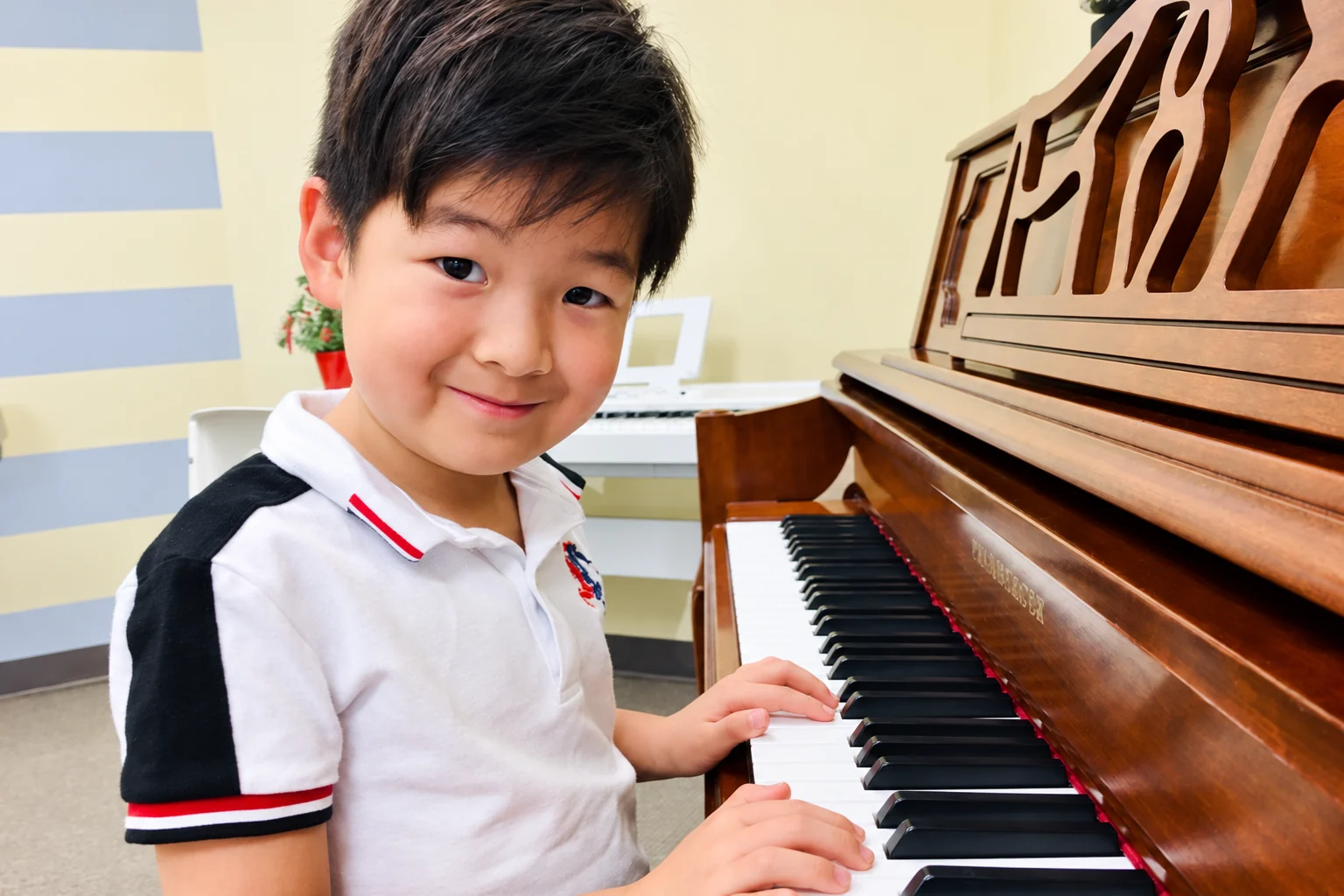
Build an understanding of the instrument through individually tailored work. Performing, listening, and noticing patterns help connect technique to the music a student enjoys.
01 / Creative music
Personal instruction in piano, composition, recording, and more. Clear foundations. Space to create.
The creative music approach
Learn how music works.
Then make it your own.
Created by Ms. Kerri, Charting Through Music with Melody & Chord uses her engineering-inspired approach to break music into clear, logical building blocks. Patterns become something students can hear, understand, and use creatively.
Instruction responds to the learner. Beginning and intermediate musicians work with songs, composition, and recording as connected ways to explore music—not simply a sequence of notes to reproduce.
Play · Compose · Record
Build an understanding of the instrument through individually tailored work. Performing, listening, and noticing patterns help connect technique to the music a student enjoys.
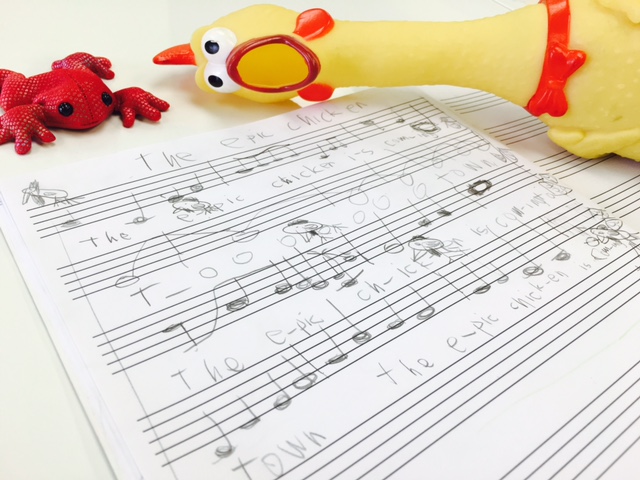
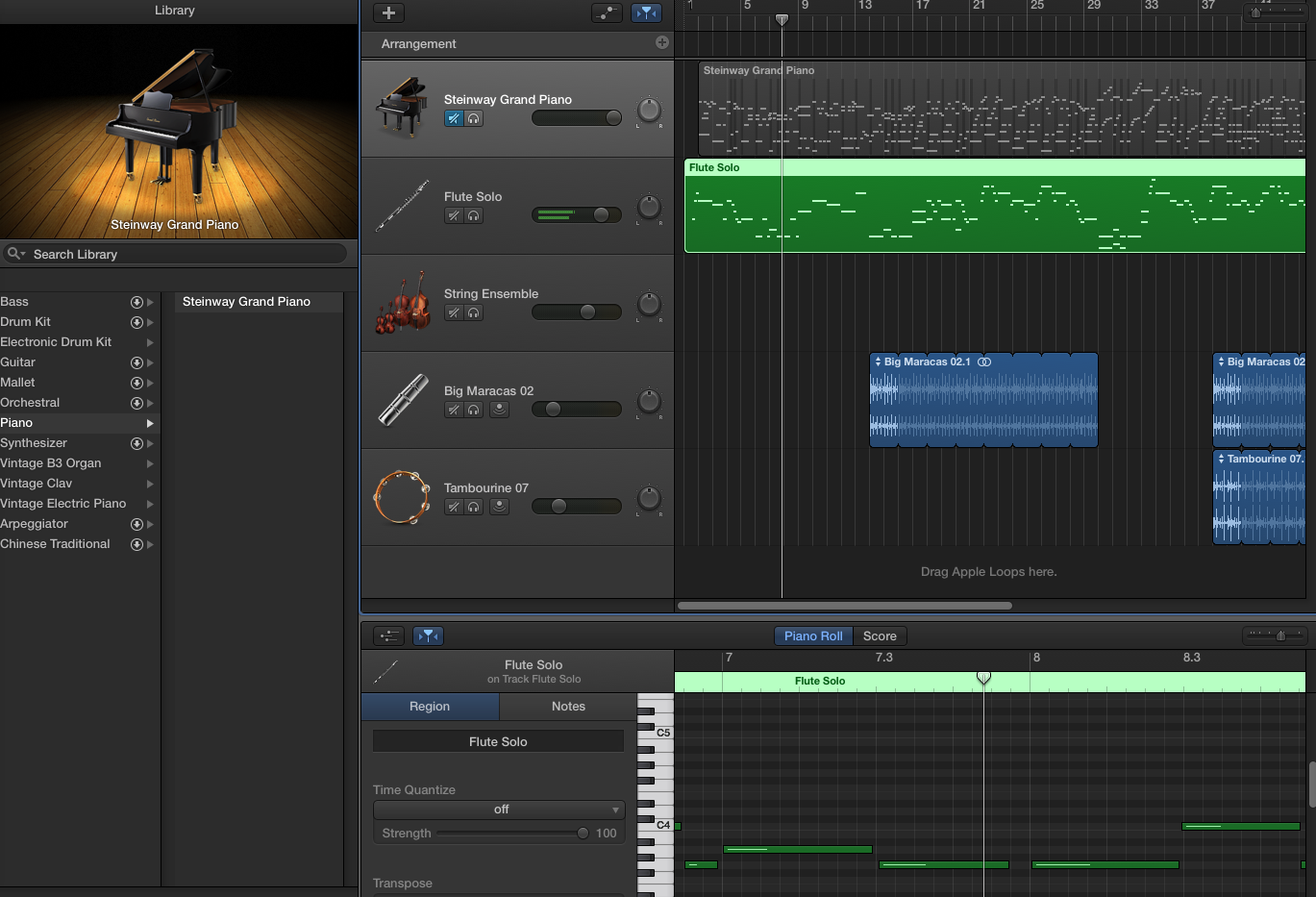
Turn an idea into music of your own. Students explore ways to write and shape music, including manuscript, notation software, and MIDI.
Bring music and technology together. Computers, recording tools, and hands-on projects introduce ways to play, compose, and record.
Guitar, voice, drums, and other instruments offer additional paths into music. Ask us about the instructor and format suited to the student’s interests.
An approach that connects
Explore the ideas inside a song: rhythm, structure, and the connections that make the music work.
Develop skills through clear, manageable steps and practice that supports the next challenge.
Apply those ideas through performance, composition, and recording, with room to experiment.
Ideas into music
Meet your music teachers
Piano & creative foundations
Our founder created the Charting Through Music curriculum, connecting musical patterns, creative expression and a clear foundation in piano.
Meet our founder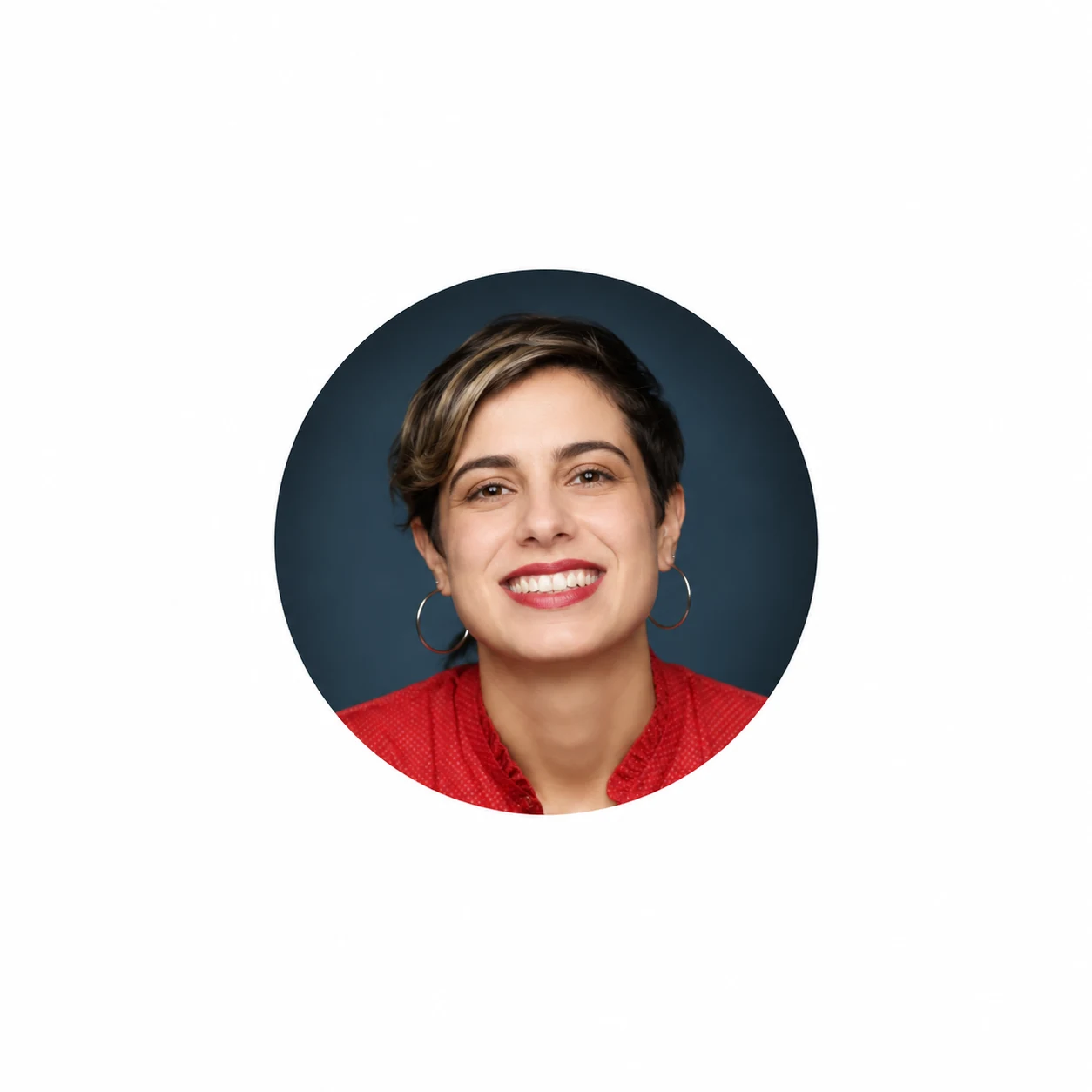
Piano & strings
With a Master of Music in Violin Performance, Ms. Manoela teaches piano, strings and other instruments. Her lessons help students grow in confidence as well as skill.

Guitar · Bass · Piano · Drums · Voice
A music educator at Bishop Montgomery High School, Mr. Trelease brings experience in songwriting, performance and contemporary music to a wide range of instruments.
Keep exploring
The original program recommends at least a 61-key keyboard; Yamaha YPG-235 is its example, rather than a requirement. Ask the studio before purchasing an instrument. See the original practice-flow worksheet in our practice library.
Original curriculum vocabulary: music manuscript, music engraving and MIDI. These optional definitions open in a separate tab.
Tuition, clearly
30 minutes each week
A focused starting point for piano.
45 minutes each week
Time for piano, voice, other instruments or composition.
60 minutes each week
More room for piano, composition and production.
Private lessons follow a recurring weekly schedule, excluding holidays. No registration fee. A one-time $225 materials fee covers curriculum, composition materials, sheet music and studio recording technology.
Find your lesson timePublished program rates · Checked October 14, 2026.
Our curriculum supports beginning and intermediate learners, including children and adults. For children, we recommend beginning around age seven, when they are ready to communicate their ideas and engage with structured coaching.
No. We recommend having at least a 61-key tabletop electronic keyboard so a student can practice between sessions. Ask us about a suitable instrument before purchasing one.
The original school FAQ names the Yamaha YPG-235 as one example. That reference is preserved here; ask the studio about current suitability and availability before buying an instrument.
We recommend a consistent practice routine of about 15 minutes each day, following the teacher’s guidance and the student’s readiness.
The creative piano curriculum focuses on understanding, expression, and making music. It is not a piano-certificate preparation program.
Weekly music lessons are $249 per month for 30 minutes, $375 for 45 minutes or $485 for an hour. A one-time $225 materials fee applies. See tuition details, then ask us about available times.
Make the connection
Tell us about your student.
Let’s find a place to begin.