3D design & printing
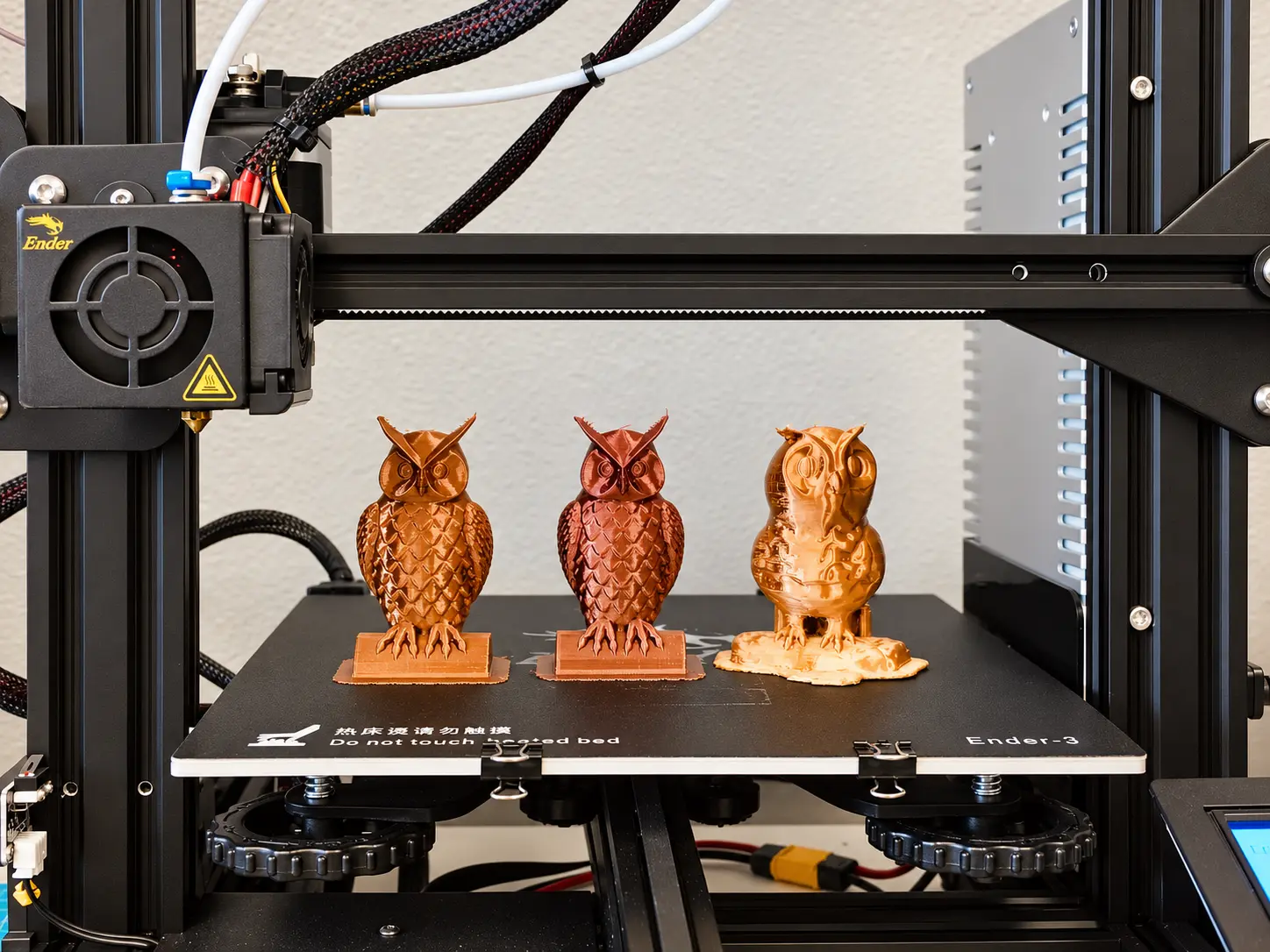
Move from an idea to a digital model, prepare it for printing, examine the result, and improve the design.
03 / STEM & engineering
Design, build, test, and improve. Hands-on engineering turns an idea into something a student can understand and make.
Applied STEM
Learn with the mind.
Understand with the hands.
Engineering comes alive through projects. Students connect software, electronics, and mechanical systems while learning to solve problems in the real world.
Projects are selected and adjusted for the student’s age, experience, interests, and readiness. A curious elementary learner and an advanced middle-school student can work at different levels of challenge.
Six practical skill areas
Move from an idea to a digital model, prepare it for printing, examine the result, and improve the design.
Learn how electronic components are connected and assembled through practical fabrication work.
Understand how components interact and learn to diagnose a circuit when it does not behave as expected.
Develop sequencing, conditions, loops, variables, debugging, and ways to break a complex problem into smaller parts.
Explore flight principles, controls, programming, testing, and the systems thinking behind drones.
Connect electrical energy and movement through motors, gears, wheels, linkages, and motorized models.
An application-based perspective
Software. Electronics.
Mechanical systems.
Mr. David brings a practical engineering perspective to our hands-on projects. An ASE Master Technician, he has prepared race cars, including Lamborghinis, for competition and works as an engineer at Siemens.
His approach connects how things are designed with how they work—making the relationship between different systems concrete for students.
The engineering cycle
Use a question or design goal as a reason to explore the tools, materials, and systems involved.
Build a working project, observe the result, and investigate what needs to change.
Use the evidence from testing to refine the design and demonstrate the skills involved.
Tuition, clearly
60 minutes each week
Personalized hands-on STEM and engineering projects.
We choose projects around your student’s age, interests and experience. Ask us about the right starting point and any project-specific materials.
Find your lesson timePublished program rates · Checked October 14, 2026.
Projects are selected and adjusted according to age, experience, interests, and readiness. Contact us about what the student has already explored and what excites them.
Students earn our program certificates by completing projects that demonstrate their skills. Each milestone recognizes their progress in design, building and problem-solving.
No. Coding is one part of a broader applied STEM offering that includes electronics, fabrication, 3D printing, drones, motors, and mechanisms.
Weekly one-hour STEM sessions start at $415 per month. Tell us your student’s age, interests and any projects they have tried; we’ll recommend a place to begin.
Make the connection
Tell us about your student.
Let’s find a place to begin.