COME AS YOU ARE. TAKE YOUR TIME.

A little space.
A quieter mind.

A quiet place to listen, practice, and grow in kindness. Begin with one gentle moment, then carry it into your day.

Explore the library ↓
WISDOM · COMPASSION · PRESENCESCROLL SLOWLY ↓

WELCOME TO ZEN CORNER

There is nothing
to rush here.

A peaceful corner of RS Street, made for anyone who wants to slow down and reconnect with what matters.

Listen to Buddhist teachers and explore Sadhguru’s yogic perspective. Bring mindfulness and compassion into the rest of your day.

A quiet space for Buddhism and Zen: simple practices, thoughtful teachings, and room to breathe.

DÀNH CHO CỘNG ĐỒNG VIỆT NAM

Lắng nghe Thầy.
Trở về với mình.

Năm bài pháp thoại tiếng Việt được xem nhiều nhất của Thiền sư Thích Nhất Hạnh trên kênh Làng Mai Official được gom trong bộ sưu tập của Thầy. Mở ra để chọn bài phù hợp với hôm nay.

Mở các bài pháp thoại của Thầy

One small practice, carried into daily lifeMột thực tập nhỏ, mang vào đời sống

Wisdom for the day
you are having.

Tuệ giác cho ngày
bạn đang sống.

Begin with the question that is closest to you. Read slowly, try one small thing, and leave what does not fit.Bắt đầu từ điều bạn đang băn khoăn. Đọc chậm, thử một việc nhỏ và bỏ qua điều chưa phù hợp.

Three short practices inspired by Buddhist teachings: mindful attention, careful speech, and meeting difficulty with compassion.Ba bài thực tập ngắn dựa trên lời Phật dạy: chánh niệm, ái ngữ và đón nhận khó khăn bằng lòng từ bi.

Buddhism · careful speech3-minute practiceBefore the difficult conversationIn this Buddhist discourse, well-spoken words are timely, truthful, gentle, beneficial, and offered with goodwill.Read the practice Phật giáo · lời nói có cân nhắcThực hành 3 phútTrước một cuộc trò chuyện khóBài kinh này nhấn mạnh lời nói đúng lúc, chân thật, dịu dàng, hữu ích và có thiện ý.Đọc bài thực tập

Buddhism · careful speech · 3-minute practice

In this Buddhist discourse, well-spoken words are timely, truthful, gentle, beneficial, and offered with goodwill. Anger may be pointing to something that deserves attention. Our practice is to give that concern a usable shape: one observable event, its effect, and a clear request. The aim is a sentence you can stand behind tomorrow, even if the other person responds poorly.

Three small steps

  1. Write the event as a camera might record it, leaving out guesses about motives.
  2. Add its effect on you and one concrete request for what should happen next.
  3. Read the sentence once; choose a suitable time and remove words meant mainly to wound.

A question to carry

What do I need this person to understand, beyond knowing that I am angry?

Keep this in mind

Goodwill can include firm limits and leaving an unsafe conversation.

Our practice, inspired by the five qualities of speech in AN 5.198.

Read the source: Buddhist discourse · AN 5.198

Source passage: AN 5.198, five qualities of well-spoken speech; translated by Thanissaro Bhikkhu
Phật giáo · lời nói có cân nhắc · Thực hành 3 phút

Bài kinh này nhấn mạnh lời nói đúng lúc, chân thật, dịu dàng, hữu ích và có thiện ý. Cơn giận có thể báo rằng một điều đáng quan tâm đang bị bỏ qua. Hãy diễn đạt bằng một sự việc cụ thể, ảnh hưởng của nó và một đề nghị rõ ràng. Tìm câu nói mà ngày mai bạn vẫn thấy đúng, dù người kia phản ứng không như mong muốn.

Ba bước nhỏ

  1. Viết lại sự việc như máy quay ghi nhận, chưa suy đoán động cơ của người kia.
  2. Thêm ảnh hưởng đối với bạn và một đề nghị cụ thể cho bước tiếp theo.
  3. Đọc lại một lần; chọn lúc phù hợp và bỏ những lời chủ yếu nhằm làm đau.

Một câu hỏi để mang theo

Ngoài việc biết mình đang giận, mình cần người kia hiểu điều gì?

Điều cần nhớ

Thiện ý vẫn có thể bao gồm giới hạn rõ ràng và rời khỏi cuộc trò chuyện thiếu an toàn.

Bài thực hành do chúng tôi soạn, lấy cảm hứng từ năm phẩm chất của lời nói trong AN 5.198.

Đọc tại nguồn: Buddhist discourse · AN 5.198

Đoạn tham khảo: AN 5.198, five qualities of well-spoken speech; translated by Thanissaro Bhikkhu

Buddhism · the two-arrow comparison4-minute practiceAfter something lets you downThe Arrow discourse distinguishes bodily pain from the mental distress that can accompany it.Read the practice Phật giáo · hình ảnh hai mũi tênThực hành 4 phútSau một điều khiến mình thất vọngBài kinh Mũi tên phân biệt đau thể chất với khổ tâm có thể đi kèm.Đọc bài thực tập

Buddhism · the two-arrow comparison · 4-minute practice

The Arrow discourse distinguishes bodily pain from the mental distress that can accompany it. We borrow that image carefully for an everyday disappointment. The hurt deserves room; the sentence that everything always goes wrong deserves examination. Set down the event, the feeling, and the sweeping conclusion separately. This may help you choose what needs comfort, what needs repair, and what remains unknown.

Three small steps

  1. Write three separate lines: what happened; what I feel; the story I am telling about it.
  2. Underline only what you know from this event, and soften claims such as always or never.
  3. Choose one response that fits the actual loss: seek company, ask a question, or address a repairable problem.

A question to carry

Which part needs tenderness, and which part needs more evidence?

Keep this in mind

This is our analogy for disappointment; the original passage concerns bodily pain, and grief deserves time and support.

Our everyday adaptation of the two-arrow image in SN 36.6.

Read the source: Buddhist discourse · SN 36.6

Source passage: SN 36.6, bodily pain and the two-arrow comparison; translated by Thanissaro Bhikkhu

Phật giáo · hình ảnh hai mũi tên · Thực hành 4 phút

Bài kinh Mũi tên phân biệt đau thể chất với khổ tâm có thể đi kèm. Ở đây, ta mượn hình ảnh ấy để nhìn một thất vọng thường ngày. Nỗi buồn cần chỗ; kết luận rằng mọi việc luôn hỏng cần được xem lại. Viết riêng sự việc, cảm xúc và kết luận. Bạn sẽ dễ nhận ra điều cần an ủi, điều có thể sửa và điều chưa biết.

Ba bước nhỏ

  1. Viết ba dòng riêng: chuyện xảy ra; cảm xúc của mình; câu chuyện mình đang kể về nó.
  2. Gạch dưới điều thực sự biết từ sự việc này, rồi xem lại các từ luôn luôn hoặc không bao giờ.
  3. Chọn cách đáp ứng mất mát cụ thể: tìm người ở bên, hỏi thêm, hoặc xử lý điều có thể sửa.

Một câu hỏi để mang theo

Phần nào cần được nâng niu, và phần nào cần thêm bằng chứng?

Điều cần nhớ

Đây là cách chúng tôi vận dụng cho thất vọng; bài kinh nói về đau thể chất, còn đau buồn cần thời gian và nâng đỡ.

Bài thực hành thường ngày do chúng tôi soạn từ hình ảnh hai mũi tên trong SN 36.6.

Đọc tại nguồn: Buddhist discourse · SN 36.6

Đoạn tham khảo: SN 36.6, bodily pain and the two-arrow comparison; translated by Thanissaro Bhikkhu

Buddhism · attention to ordinary activity2-minute practiceReturn to one ordinary momentMN 10 includes knowing the body's posture and attending to everyday activities such as walking and eating.Read the practice Phật giáo · chú tâm trong sinh hoạtThực hành 2 phútTrở về một khoảnh khắc bình thườngMN 10 có phần nhận biết tư thế và chú tâm khi đi, ăn cùng những sinh hoạt khác.Đọc bài thực tập

Buddhism · attention to ordinary activity · 2-minute practice

MN 10 includes knowing the body's posture and attending to everyday activities such as walking and eating. Our small exercise starts with an activity already in your day. Feel the cup in your hand or notice your feet as you walk. When attention wanders, return to one sensation without making a score of it. The ordinary moment can be worth meeting on its own terms.

Three small steps

  1. Choose one safe, simple activity: holding a cup, washing your hands, or sitting down.
  2. Notice three physical details, such as pressure, temperature, and movement.
  3. When your mind goes elsewhere, gently return to one detail until the activity ends.

A question to carry

What did I notice that was already here before I paid attention?

Keep this in mind

This brief exercise draws on one part of a larger Buddhist path with ethical and contemplative commitments.

Our practice, inspired by attention to posture and ordinary activity in MN 10.

Read the source: Buddhist discourse · MN 10

Source passage: MN 10, contemplation of the body, sections 2-3: postures and alertness; translated by Thanissaro Bhikkhu

Phật giáo · chú tâm trong sinh hoạt · Thực hành 2 phút

MN 10 có phần nhận biết tư thế và chú tâm khi đi, ăn cùng những sinh hoạt khác. Bài ngắn này bắt đầu bằng một việc đã có trong ngày: cảm nhận chiếc cốc trong tay hoặc bàn chân chạm đất. Khi tâm trí đi nơi khác, trở lại một cảm giác, không chấm điểm mình. Một khoảnh khắc bình thường cũng đáng được đón nhận như chính nó.

Ba bước nhỏ

  1. Chọn một việc đơn giản, an toàn: cầm cốc, rửa tay, hoặc ngồi xuống.
  2. Nhận biết ba chi tiết cơ thể, chẳng hạn lực chạm, nhiệt độ và chuyển động.
  3. Khi tâm trí đi nơi khác, nhẹ nhàng trở lại một chi tiết cho đến khi xong việc.

Một câu hỏi để mang theo

Mình vừa nhận ra điều gì vốn đã ở đây trước khi mình chú ý?

Điều cần nhớ

Bài ngắn này lấy cảm hứng từ một phần của con đường Phật giáo rộng hơn, có cam kết về đạo đức và tu tập.

Bài thực hành do chúng tôi soạn, lấy cảm hứng từ việc nhận biết tư thế và sinh hoạt trong MN 10.

Đọc tại nguồn: Buddhist discourse · MN 10

Đoạn tham khảo: MN 10, contemplation of the body, sections 2-3: postures and alertness; translated by Thanissaro Bhikkhu

Three practices to return toBa bài thực tập để trở về

Begin anywhere. Return to a practice whenever it feels useful, and carry one small intention into daily life.Bạn có thể bắt đầu từ bất kỳ bài nào, thực tập lại khi cần và mang một ý nguyện nhỏ vào đời sống.

  1. Practice 1Meet an ordinary moment
  2. Practice 2Speak with care
  3. Practice 3Meet a difficult moment
  1. Bài 1Đón một khoảnh khắc bình thường
  2. Bài 2Thực tập ái ngữ
  3. Bài 3Đón nhận một lúc khó khăn
A grounded three-minute pauseBa phút trở về với hiện tại

Notice the room, let breathing be natural, then consider one manageable next step. Every part is optional. Keep your eyes open, skip a phase, or end whenever you wish.Nhận biết không gian, để hơi thở tự nhiên, rồi nghĩ đến một bước nhỏ vừa sức. Mọi phần đều tùy chọn. Bạn có thể mở mắt, bỏ qua một phần hoặc kết thúc bất cứ lúc nào.

3:00

Notice the room

Keep your eyes open if you like. Notice a color, a surface, and the support beneath you.

Begin when you feel ready.

An original practiceMột bài thực tập

Guide

TEACHERS / ROOM TO LISTEN

Find a voice.
Stay with an idea.

Open a teacher’s collection.
Begin with a short reflection or settle into a longer talk.

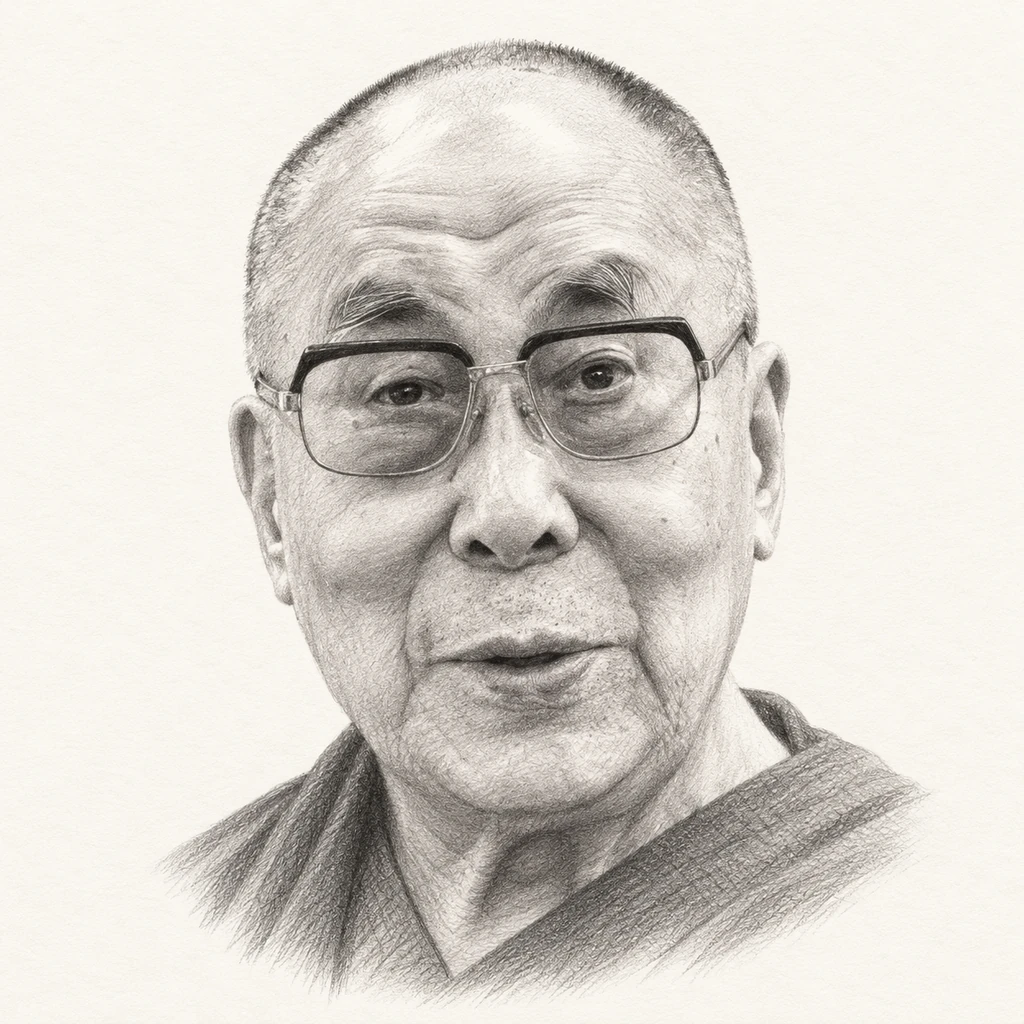
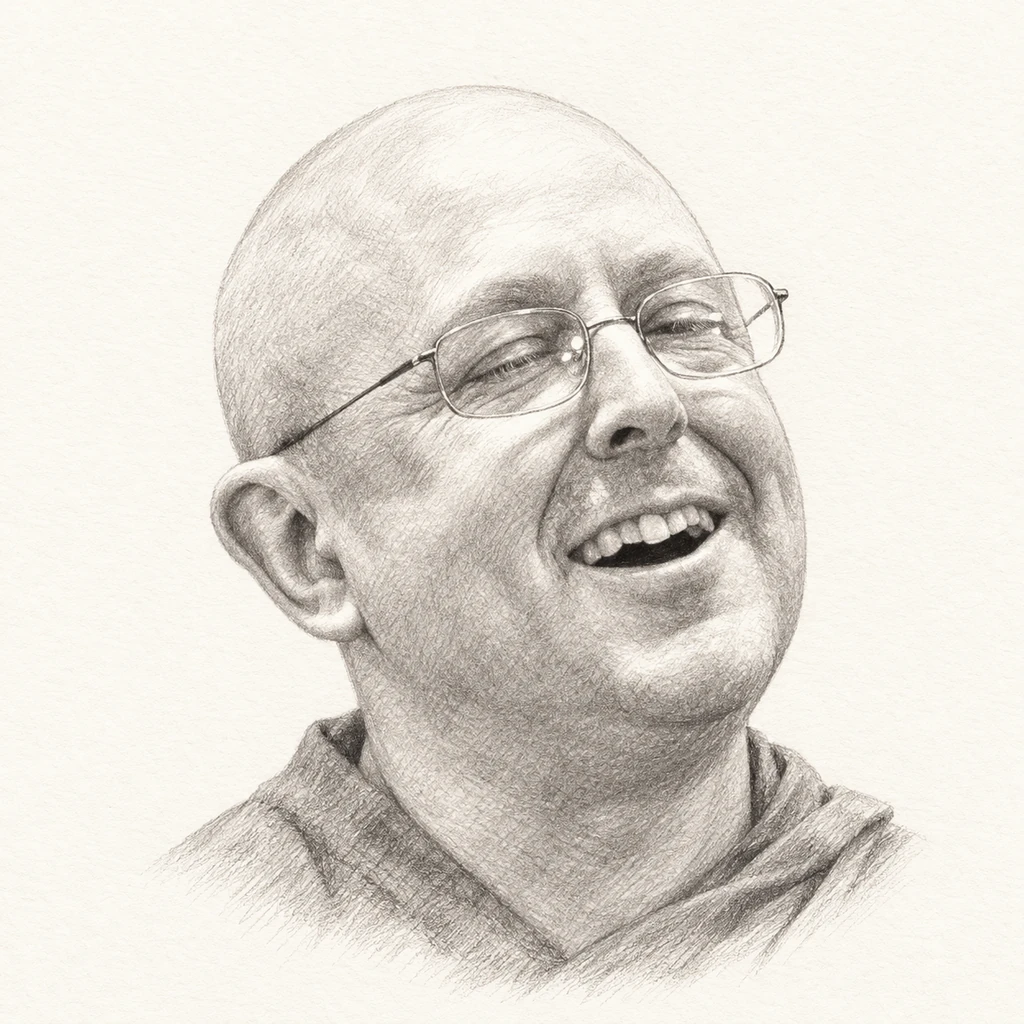
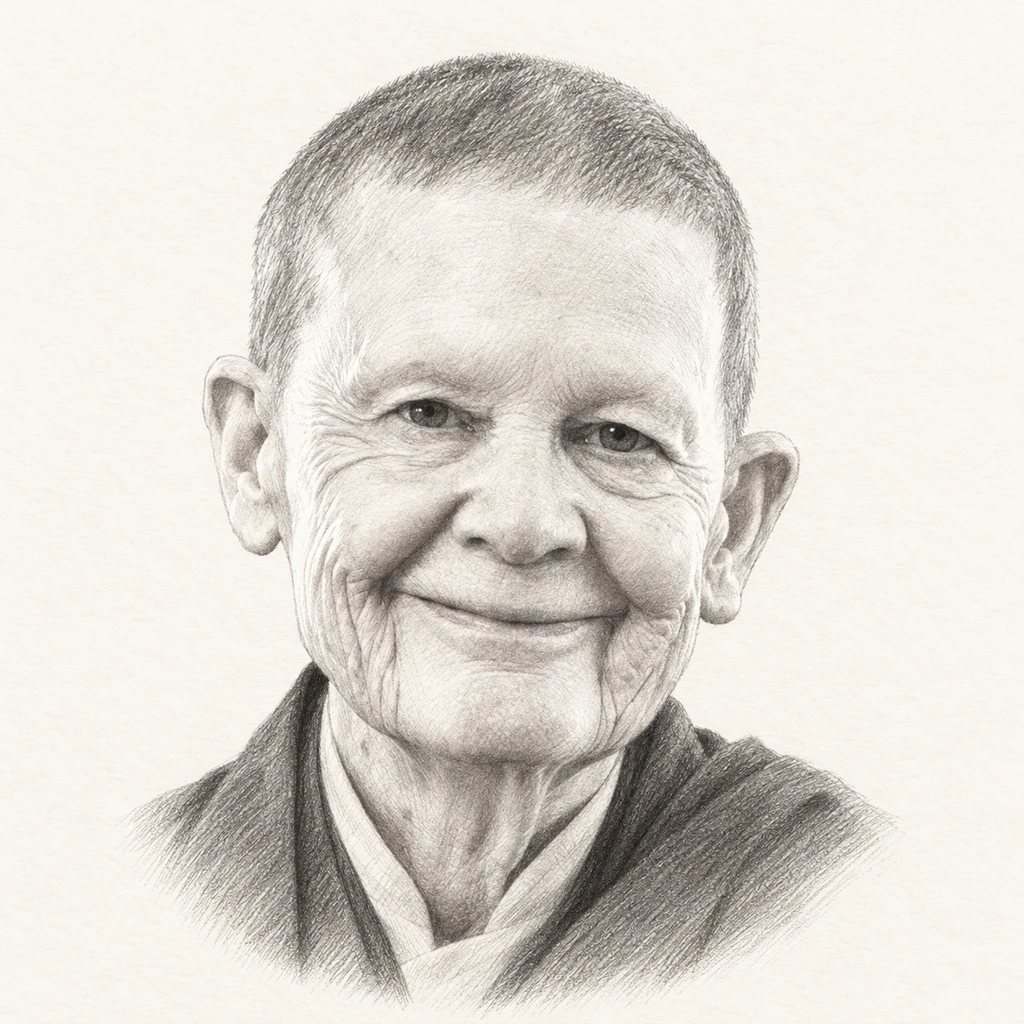
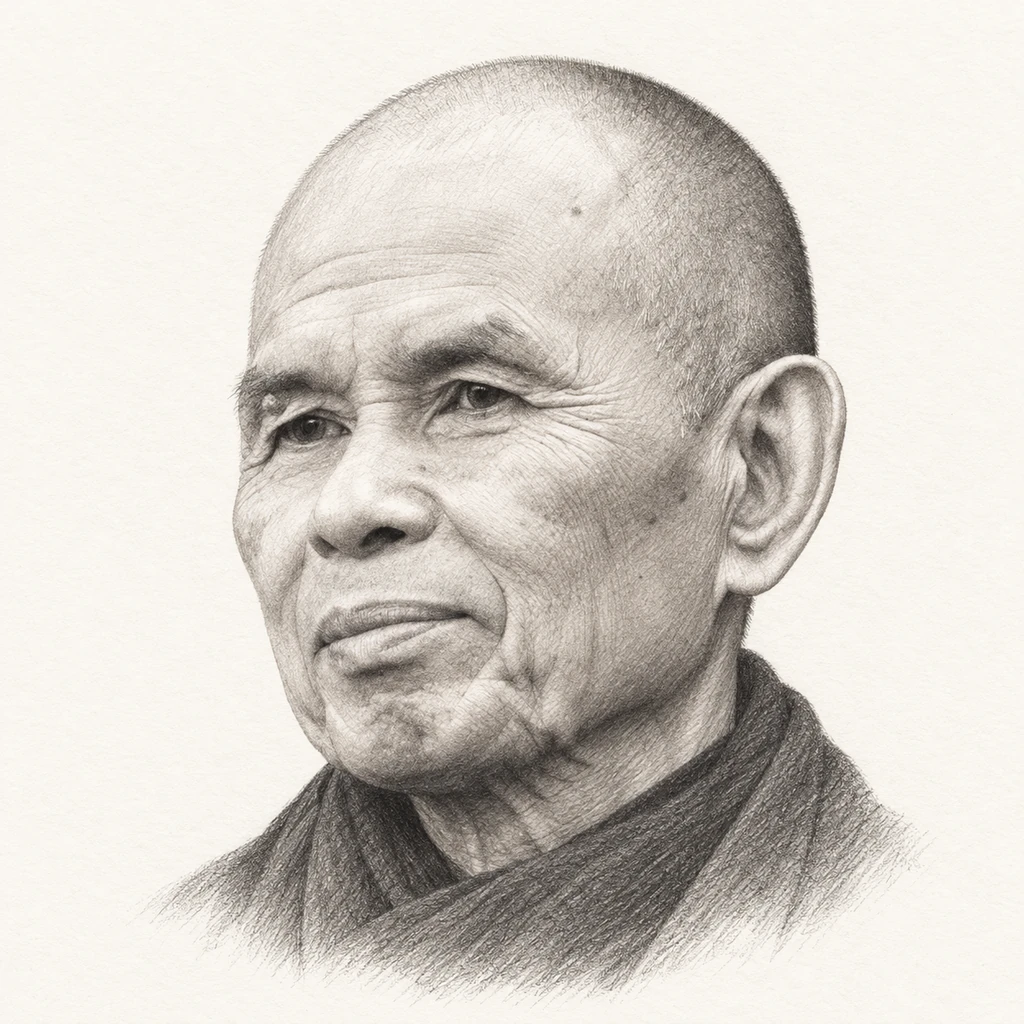
Matching pencil portrait illustrations, created for Zen Corner from reference photographs. Independent curation; no teacher’s endorsement is implied.

02 / ONE THOUGHT FOR TODAY

Before you answer,
make room
for kindness.

A pause can become a choice. Notice what you feel, take a comfortable breath, and ask: will these words reduce harm?

Original Zen Corner reflections

AIVIA / A MOMENT TO LISTEN

Ten chants.
A little stillness.

3 Sanskrit · 7 Pali · 10 new musical settings

Ten calm musical settings of traditional Buddhist chants.

Traditional Sanskrit and Pali texts · New arrangements by AIVIA. Pronunciation has not been independently verified.

English and Vietnamese meaning reflections are original Zen Corner writing, informed by mindfulness and compassionate living. They are not literal translations, teacher quotations or word-timed subtitles.

All ten recordings play in order. Sound starts on arrival when your browser allows it. Pause, mute, skip, or choose captions in the player below.

Explore the 10 songs
  1. Sanskrit · 3:00
    CompassionTừ Bi
    Traditional text & sources

    Avalokiteshvara six-syllable mantra

    Oṃ maṇi padme hūṃ

    Traditional text for reference.

  2. Sanskrit · 2:59
    Tara InvocationTâm Nguyện Tara
    Traditional text & sources

    Short Tara mantra

    Oṃ tāre tuttāre ture svāhā

    Traditional text for reference.

  3. Pali · 3:00
    Homage to the BuddhaKính Lễ Đức Phật
    Traditional text & sources

    Namo Tassa homage

    Namo tassa bhagavato arahato sammā-sambuddhassa

    Traditional text for reference.

  4. Sanskrit · 3:00
    Remembering ShakyamuniTưởng Niệm Thích Ca
    Traditional text & sources

    Shakyamuni Buddha mantra

    Tadyathā oṃ mune mune mahā munaye svāhā

    Traditional text for reference.

  5. Pali · 3:00
    The Path of Wholesome LivingLời Dạy Hướng Thiện
    Traditional text & sources

    Dhammapada verse 183

    Sabbapāpassa akaraṇaṃ
    Kusalassa upasampadā
    Sacittapariyodapanaṃ
    Etaṃ buddhāna sāsanaṃ

    Traditional text for reference.

  6. Pali · 3:00
    Returning to AwarenessNương Về Tỉnh Thức
    Traditional text & sources

    Namo Tassa homage

    Namo tassa bhagavato arahato sammā-sambuddhassa

    Traditional text for reference.

  7. Pali · 3:00
    Peace Without HatredBình An Không Hận Thù
    Traditional text & sources

    Dhammapada verse 5

    Na hi verena verāni
    Sammantīdha kudācanaṃ
    Averena ca sammanti
    Esa dhammo sanantano

    Traditional text for reference.

  8. Pali · 3:00
    Recollection of the BuddhaNiệm Ân Đức Phật
    Traditional text & sources

    Buddhanussati qualities formula

    Itipi so bhagavā arahaṃ sammā-sambuddho
    Vijjā-caraṇa-sampanno sugato lokavidū
    Anuttaro purisa-damma-sārathi satthā deva-manussānaṃ buddho bhagavāti

    Traditional text for reference.

  9. Pali · 2:59
    Recollection of the DhammaNiệm Ân Đức Pháp
    Traditional text & sources

    Dhammanussati qualities formula

    Svākkhāto bhagavatā dhammo
    Sandiṭṭhiko akāliko ehipassiko
    Opanayiko paccattaṃ veditabbo viññūhīti

    Traditional text for reference.

  10. Pali · 2:59
    Goodwill for All BeingsNguyện Muôn Loài An Vui
    Traditional text & sources

    Traditional metta / goodwill aspirations

    Sabbe sattā sukhitā hontu
    Sabbe sattā averā hontu
    Sabbe sattā abyāpajjhā hontu
    Sabbe sattā anīghā hontu
    Sabbe sattā sukhī attānaṃ pariharantu

    Traditional text for reference.

Compassion

Từ Bi

03 / A KINDER WAY TO MEET THE DAY

One small practice.
A little more room.

Choose an invitation.
There is no score to reach.

Let the breath arrive on its own.

Sit or stand comfortably. Feel a place where your body is supported. Notice one ordinary breath, then another. There is no need to deepen, count, hold, or perfect it. If following the breath feels uncomfortable, notice the room around you instead.

Original Zen Corner invitations. For the teachers’ full practices, follow their original sources.

A gentle 20-minute circle guide · Hướng dẫn cùng thực tập ↗

04 / A MOMENT TO REMEMBER

Your own
quiet notebook.

What did you notice?
What kindness would you like to carry forward?

Ghi chép riêng · Your words stay in this browser on this device. They are not sent to RS Street. Browser storage is unencrypted; others using this browser may read it. Clearing browser data may erase your notes. Download a copy if you want to keep one.

Notes save only when you press Save. There is no automatic saving or account sync.

0 / 2,000 characters

Teachings to return to

Save a teaching anywhere in the library. This list stays in this browser, with the same privacy limits as your notebook.

    Your list is quiet for now. Choose “Save teaching” on a teaching you would like to revisit.

    05 / LISTEN WITH CURIOSITY

    A library, gathered by teacher.

    Thư viện pháp thoại
    Authentic voices. Clear sources.

    22 teachings

    Graphite pencil portrait illustration of Thích Nhất HạnhThích Nhất HạnhVietnamese Zen · Plum Village · 6 teachings

    A Vietnamese Zen master and peace activist whose community continues to share his teachings.

    English · 6 min

    Walking in Peace

    Listen to an archival teaching from the Plum Village community.

    Plum Village App

    Tiếng Việt · 1:28:46

    Tứ Diệu Đế – Phần I

    Tìm hiểu Tứ Diệu Đế và con đường chuyển hóa khổ đau.

    About 556K views · checked Oct 8, 2026

    Làng Mai Official

    Tiếng Việt · 1:18:08

    Chánh Ngữ

    Lắng nghe lời Thầy về cách nói và sự thấu hiểu trong giao tiếp.

    About 531K views · checked Oct 8, 2026

    Làng Mai Official

    Tiếng Việt · 1:25:49

    An Lạc Trong Mọi Hoàn Cảnh

    Một bài pháp thoại về an lạc trong đời sống. Bản lưu trữ thiếu một đoạn ngắn ở phần đầu, theo ghi chú của Làng Mai.

    About 401K views · checked Oct 8, 2026

    Làng Mai Official

    Tiếng Việt · 21:58

    Con Trai Của Con Đang Ở Đâu?

    Một cuộc vấn đáp về mất mát. Bạn có thể dừng lại bất cứ lúc nào và lắng nghe khi thấy sẵn sàng.

    About 384K views · checked Oct 8, 2026

    Làng Mai Official

    Tiếng Việt · 23:26

    Khi Chết Ta Đi Về Đâu?

    Lắng nghe góc nhìn của Thầy về sự tiếp nối và vô thường.

    About 243K views · checked Oct 8, 2026

    Làng Mai Official
    Graphite pencil portrait illustration of SadhguruSadhguruYogic perspective · Isha · 4 teachings

    A contemporary yogic teacher and founder of Isha. His perspective comes from yoga rather than a Buddhist lineage.

    English · A short teaching

    How Can I Find Peace of Mind?

    A short yogic teaching about peace of mind.

    Yogic perspective · Isha

    English · 9 min 18 sec

    Sadhguru on How To Never Get Angry or Bothered By People

    A yogic perspective on how we respond to other people; the title is the publisher’s wording, not a promised outcome.

    About 18M views · checked Oct 8, 2026

    Sadhguru · official channel

    English · 7 min 45 sec

    How to Remove Negative Thoughts? Sadhguru Jagadish Vasudev Answers

    An invitation to examine your relationship with thoughts; presented as spiritual teaching.

    About 11M views · checked Oct 8, 2026

    Sadhguru · official channel

    English · 11 min 49 sec

    How Do We Handle Hard Times in Life? Sadhguru Jaggi Vasudev Answers

    A yogic conversation about responding to difficult circumstances.

    About 10M views · checked Oct 8, 2026

    Sadhguru · official channel
    Graphite pencil portrait illustration of The Dalai LamaThe Dalai LamaTibetan Buddhism · 4 teachings

    The 14th Dalai Lama is a Tibetan Buddhist monk and spiritual teacher.

    English · 2 min

    Finding Inner Peace

    A short introduction to compassion and inner peace.

    Tibetan Buddhism

    English · 1 hr 13 min

    Compassionate Ethics in Difficult Times - The Dalai Lama

    A longer conversation about compassionate ethics in difficult times.

    About 1.3M views · checked Oct 8, 2026

    Dalai Lama · official channel

    English · 1 hr 35 min

    Overcoming Anger and Anxiety

    A full talk and audience questions on working with difficult emotions.

    About 1.1M views · checked Oct 8, 2026

    Dalai Lama · official channel

    English · 1 min 37 sec

    Dealing with Negative Emotions

    A brief place to begin when you want a short reflection on emotions.

    About 991K views · checked Oct 8, 2026

    Dalai Lama · official channel
    Graphite pencil portrait illustration of Ajahn BrahmAjahn BrahmTheravāda · Forest tradition · 4 teachings

    A Theravāda forest monk who trained with Ajahn Chah in Thailand.

    English · 55 min

    Four Ways of Letting Go | Ajahn Brahm | 09-04-2010

    A long-form talk on letting go, from the Buddhist Society of Western Australia archive.

    About 2.6M views · checked Oct 8, 2026

    Buddhist Society of Western Australia

    English · 54 min

    How To Be Positive | by Ajahn Brahm | 17 Oct 2008

    A longer teaching on a positive outlook. Allow yourself to listen without pressure to feel a particular way.

    About 704K views · checked Oct 8, 2026

    Buddhist Society of Western Australia

    English · 1 hr 8 min

    Dealing with Emotions | Ajahn Brahm | 15-06-2007

    A full Dhamma talk about meeting emotions, preserved by the teacher’s community.

    About 563K views · checked Oct 8, 2026

    Buddhist Society of Western Australia
    Graphite pencil portrait illustration of Pema ChödrönPema ChödrönTibetan Buddhism · Buddhist nun · 4 teachings

    An American Buddhist nun and teacher in the Tibetan tradition.

    English · 2:49

    Pema Chödrön: What to Do When You Lose It Completely

    A brief teaching about meeting a moment of losing your temper with forgiveness and kindness toward yourself; useful when you want a humane starting point for responding after a difficult reaction.

    About 278,907 views · checked Oct 8, 2026

    Omega Institute for Holistic Studies

    English · 6:53

    Pema Chödrön: Outside Your Comfort Zone

    Considers self-compassion when entering unfamiliar territory, including the difference between a workable challenge and becoming overwhelmed; useful before trying something that stretches your present capacity.

    About 95,617 views · checked Oct 8, 2026

    Shambhala Publications

    English · 9:36

    Pema Chodron – Working with Shenpa – Getting Hooked

    Introduces shenpa, or getting hooked, in the context of meditation and offers guidance on thoughts and distractions; useful for considering the moment when a mental habit begins to pull you along.

    About 26,606 views · checked Oct 8, 2026

    Pema Chodron Foundation

    English · 4:30

    Pema Chodron – Living Beautifully with Uncertainty and Change

    A short entry point for reflecting on uncertainty and change through Pema's teaching, presented by her own foundation; useful when you want a manageable first viewing on that theme.

    About 18,555 views · checked Oct 8, 2026

    Pema Chodron Foundation

    Buddhist teachings and Sadhguru’s yogic perspective, from official channels and trusted publishers. Approximate view counts are dated snapshots. Videos remain with their original publishers.

    06 / LEARN SLOWLY. LIVE KINDLY.

    A community begins
    with how we listen.

    Follow AIVIA for upcoming Buddhist teachings and contemplative music. For now, reflect in your private notebook: what small kindness will you practice today? You can share a thoughtful comment when new videos are available.

    Theo dõi AIVIA để đón những bài chia sẻ Phật pháp và thiền nhạc sắp tới. Hôm nay, hãy tự hỏi trong ghi chép riêng: bạn muốn thực tập một việc tử tế nào? Khi có video mới, bạn có thể chia sẻ trong phần bình luận.

    Visit AIVIA on YouTube ↗

    When you comment on future YouTube videos, your comments and YouTube profile will be public. YouTube’s settings govern posting. Please avoid sharing anyone’s private details.

    How we care for this space · Cách chúng tôi chăm sóc góc bình an

    We want each visit to offer a little understanding, followed by a useful act of kindness. Our conversations draw inspiration from Plum Village’s Five Mindfulness Trainings: truthful speech, deep listening, compassion, and mindful choices. Zen Corner is independent of Plum Village.

    Collect thoughtfully · Sưu tầm
    Choose authentic teachings from the communities that preserve them. Record the teacher, language, original date, and source.
    Preserve carefully · Lưu giữ
    Keep clear attribution, permission records, transcripts where available, and corrections. Distinguish the teachers’ words from our interpretations.
    Create gently · Sáng tạo
    Offer original reflections, practice invitations, and clearly labeled AIVIA contemplative music. Traditional words receive source and pronunciation review; new music and AI voices are identified.
    Share kindly · Chia sẻ
    Welcome sincere questions and respectful differences. Avoid harassment, spam, private disclosures, and claims of miraculous cures. Make room for grief without pressure to share it.

    If we later offer gatherings or email updates, joining will be optional. We will explain what information is needed, why, and how to withdraw before asking for it. There is no registration or email collection on this page.

    A MOMENT THAT BELONGS TO YOU

    Set everything
    down for a moment.

    Let your shoulders soften. Breathe comfortably.
    There is nothing you need to achieve.

    ZEN CORNER / A QUIET MOMENT

    YOU CAN STAY AS LONG AS YOU LIKE

    Simply be here.

    Notice your natural breath.
    Let it come and go without forcing it.

    The garden stays still. Gentle tones start only when you choose them.

    Teaching

    Watch at the original source ↗

    AIVIA / QUIET LISTENING

    A peaceful chant

    Press Play to listen. Pronunciation is unverified.

    Open recording on Suno